
Dog vaccination protects against infectious diseases
Safe, tailored vaccination for your dog
Is it time for your dog to be vaccinated or to have its vaccination needs assessed?
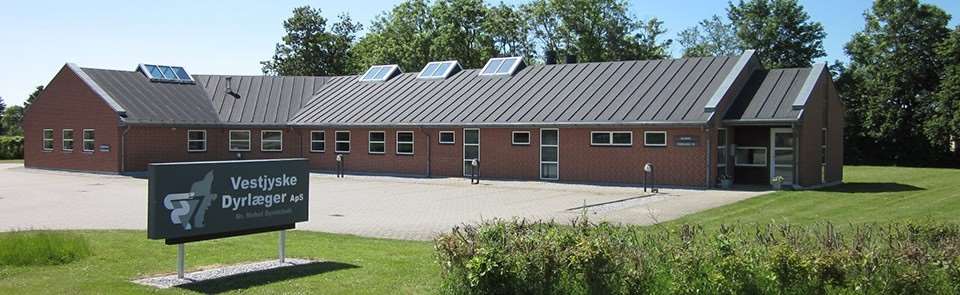
At Vestjyske Dyrlæger, you can receive professional and safe dog vaccination, as well as advice from an experienced veterinarian. The clinic is located in Nørre Nebel, where we welcome dogs from, among other places, Skjern, Varde and the surrounding areas.
Dog vaccination protects against a range of infectious diseases. How well the dog is protected depends, among other things, on the amount of antibodies formed after vaccination and the immune system’s general ability to fight disease.
A vaccination does not necessarily provide 100% protection. However, if a correctly vaccinated dog still becomes infected, the course of the disease will often be milder.
Vaccination programme for dogs and puppies
Puppies that receive colostrum from a correctly vaccinated bitch may be protected by the mother’s antibodies during the first months. This protection gradually declines, and therefore a puppy’s vaccination should be planned at the right time.
As a general rule, we recommend the following vaccination programme for dogs:
- First puppy vaccination at 12 weeks of age
- Second vaccination at 16 weeks of age
- Booster one year after the most recent vaccination
After this, the dog should have an annual health check, where the need for vaccination is assessed. In our small animal clinic, we tailor the vaccination programme to the dog’s age, health, lifestyle and previous vaccinations.
At the health check, we can also examine the dog’s teeth, ears, skin, weight and general health. If the examination shows signs of tartar or problems in the oral cavity, we can advise on dog dental cleaning.
Vaccination based on the dog’s infection risk
As standard, dog vaccination includes protection against distemper, parvovirus and infectious hepatitis. Other vaccines may be relevant if the dog often spends time in areas with an increased risk of infection.
This may, for example, apply to dogs that go to:
- Kennels, boarding kennels or shelters
- Dog parks, parks, shows, competitions or hunting
- Wetlands and other places where many rodents are present
If the dog is often around many other dogs, a kennel cough vaccine may be relevant. If it is around stagnant water, used for rat hunting or comes into contact with contaminated water, vaccination against leptospirosis may also be recommended.
If the dog is travelling abroad, it must have a valid rabies vaccine. A rabies vaccine for dogs must be given at least 3 weeks before departure so that the vaccination has time to become valid.
Side effects after dog vaccination
Side effects may occur after dog vaccination, but they are usually mild and short-lived. Puppies in particular may experience tiredness, diarrhoea, vomiting, reduced appetite or, more rarely, fever. A small swelling may also occur at the injection site, which usually disappears on its own.
Allergic reactions are very rare. If the dog develops severe symptoms, swelling or appears clearly affected, you should contact us immediately. In the event of a serious or sudden reaction, you can get help from an emergency veterinarian.
Contact us and book an appointment for vaccination
Does your dog need to be vaccinated, or do you have questions about its vaccination programme? Vestjyske Dyrlæger is open on weekdays from 7:00 to 17:00, and consultations are by appointment.
Call 70 26 16 80 or write to vestjyske@vestjyske.dk to book an appointment or learn more about dog vaccination. For routine, non-urgent consultations, you can also use our online booking.

FAQ about dog vaccination
Which diseases are vaccinated against?
As standard, dogs are vaccinated against distemper, parvovirus and infectious hepatitis. Vaccination against leptospirosis, kennel cough and rabies can also be given if it is relevant for the dog.
When should a puppy be vaccinated?
As a general rule, we recommend vaccinating the puppy at 12 and 16 weeks of age. A booster is recommended one year after the most recent vaccine.
How often should a dog be vaccinated?
This depends on the vaccine and the dog’s individual needs. Vaccination against distemper, parvovirus and hepatitis generally protects for approximately three years. Protection against leptospirosis and kennel cough typically lasts around one year.
Should the dog be vaccinated against kennel cough?
A kennel cough vaccine may be relevant if the dog often meets many other dogs. This applies, for example, during stays at a boarding kennel, at shows and competitions, or in connection with dog training.
Does the dog need a rabies vaccine before travelling?
If the dog is travelling abroad, it will generally need a valid rabies vaccination. The rules may vary between countries, so the vaccination should be planned well in advance.
Can the dog experience side effects after vaccination?
Some dogs become tired or experience mild stomach problems after vaccination. A small swelling may also occur at the injection site. Contact us if the symptoms are severe or do not subside.
How much does dog vaccination cost?
The exact price depends on which vaccine the dog needs and whether the visit includes other examinations. You can find selected prices on the website or contact us to obtain the cost of the vaccination.